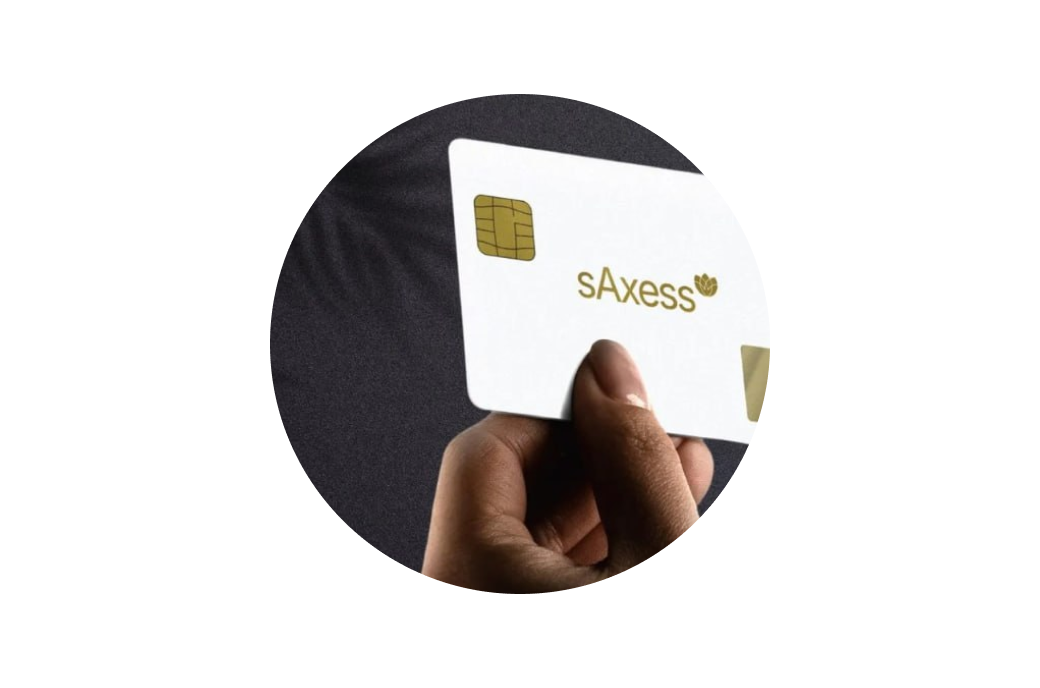
In 2024, hackers stole around $3 billion worth of cryptocurrency worldwide, and experts predict this trend will only accelerate as the digital asset market grows. In the UAE, where crypto is increasingly being used for real estate purchases, both government and private sector players have responded to cyber threats by launching innovative payment solutions. One such breakthrough is the sAxess biometric crypto card—the world’s first card with fingerprint authentication, designed to securely store digital assets and facilitate transactions.
The New sAxess Technology and Its Features
Developed by a consortium of fintech companies with support from the Central Bank of the UAE, sAxess is designed to dramatically reduce fraud risk and eliminate issues associated with lost or compromised private keys. The card’s biometric chip reads the owner’s fingerprint, ensuring that only authorized users can access the crypto wallet. Early projections suggest such solutions could reduce successful hacks by 40–45% by late 2025. The card also integrates with both local and international crypto exchanges (Binance, Bybit, etc.), making it easier to convert assets into dirhams.
Impact on the Real Estate Market
The rise of cryptocurrencies in the UAE throughout the second half of 2025 is reflected in the real estate sector. According to Dubai Land Department (DLD) data, around 7% of new transactions in Q2 2025 were partially or fully completed using digital assets. Major developers like Emaar Properties and DAMAC Properties are actively integrating crypto payments into their platforms: Emaar’s official reports show that over 400 deals in the first half of 2025 used cryptocurrency, a 35% increase year-on-year. The new sAxess card can further boost transaction security when buying apartments and villas, virtually eliminating the risk of financial fraud during transfers.
Statistics and Investment Appeal
As the UAE’s digital economy continues its rapid ascent, the pace shows no sign of slowing. Colliers International reports total investment in blockchain and fintech startups in the Emirates reached $2.1 billion in 2025—up 28% from 2024. Shuaa Capital estimates at least 15% of these funds went to solutions for secure crypto storage and services for cross-border payments. The Emirates’ real estate market remains highly attractive: the price per square meter in Dubai’s premium districts (Downtown Dubai, Dubai Marina, Business Bay) rose an average of 9% between January and September 2025, while up-and-coming locations such as Dubai Creek Harbour saw increases of up to 12% thanks to major new projects.
Security and Government Regulation
sAxess’s success is largely driven by the UAE’s supportive but tightly regulated approach to the crypto sector. Since 2023, a comprehensive set of rules has governed crypto exchange, storage, and operational standards for service providers. This regulatory framework means companies issuing biometric cards enjoy ministry-level support and the right to participate in government tenders. According to the Ministry of Finance, 2026 could see biometric verification expanded to all types of cashless transactions, including mortgages and leasing operations.
Growth Prospects
In summary, the launch of the sAxess biometric crypto card is a vital component of the UAE’s strategy to safeguard digital assets and stimulate the digital economy. Enhanced transaction security, government and developer backing, and growing demand for crypto in real estate point to the Emirates gaining significant ground in the global race to become the leading digital financial hub by the end of 2025.
The New sAxess Technology and Its Features
Developed by a consortium of fintech companies with support from the Central Bank of the UAE, sAxess is designed to dramatically reduce fraud risk and eliminate issues associated with lost or compromised private keys. The card’s biometric chip reads the owner’s fingerprint, ensuring that only authorized users can access the crypto wallet. Early projections suggest such solutions could reduce successful hacks by 40–45% by late 2025. The card also integrates with both local and international crypto exchanges (Binance, Bybit, etc.), making it easier to convert assets into dirhams.
Impact on the Real Estate Market
The rise of cryptocurrencies in the UAE throughout the second half of 2025 is reflected in the real estate sector. According to Dubai Land Department (DLD) data, around 7% of new transactions in Q2 2025 were partially or fully completed using digital assets. Major developers like Emaar Properties and DAMAC Properties are actively integrating crypto payments into their platforms: Emaar’s official reports show that over 400 deals in the first half of 2025 used cryptocurrency, a 35% increase year-on-year. The new sAxess card can further boost transaction security when buying apartments and villas, virtually eliminating the risk of financial fraud during transfers.
Statistics and Investment Appeal
As the UAE’s digital economy continues its rapid ascent, the pace shows no sign of slowing. Colliers International reports total investment in blockchain and fintech startups in the Emirates reached $2.1 billion in 2025—up 28% from 2024. Shuaa Capital estimates at least 15% of these funds went to solutions for secure crypto storage and services for cross-border payments. The Emirates’ real estate market remains highly attractive: the price per square meter in Dubai’s premium districts (Downtown Dubai, Dubai Marina, Business Bay) rose an average of 9% between January and September 2025, while up-and-coming locations such as Dubai Creek Harbour saw increases of up to 12% thanks to major new projects.
Security and Government Regulation
sAxess’s success is largely driven by the UAE’s supportive but tightly regulated approach to the crypto sector. Since 2023, a comprehensive set of rules has governed crypto exchange, storage, and operational standards for service providers. This regulatory framework means companies issuing biometric cards enjoy ministry-level support and the right to participate in government tenders. According to the Ministry of Finance, 2026 could see biometric verification expanded to all types of cashless transactions, including mortgages and leasing operations.
Growth Prospects
- Crypto Payment Expansion: sAxess is expected to stimulate the market by increasing security, drawing in more private and institutional investors.
- Integration with Real Estate: With Emaar and DAMAC planning to accept crypto as collateral, property owners will be able to close deals more quickly, including via smart contracts.
- Stronger Global Position: The UAE is already positioning itself as a global center for digital finance. Advanced tools like sAxess will only reinforce this status and attract further capital to the real estate sector.
In summary, the launch of the sAxess biometric crypto card is a vital component of the UAE’s strategy to safeguard digital assets and stimulate the digital economy. Enhanced transaction security, government and developer backing, and growing demand for crypto in real estate point to the Emirates gaining significant ground in the global race to become the leading digital financial hub by the end of 2025.